
Seller Home Inspection Tips: Your Guide to Preparing for a Home Inspection
- Clinton Sommerville

- Mar 24
- 4 min read
Selling a home can be stressful. One of the biggest steps is the home inspection. It can feel like a big hurdle. But it doesn’t have to be. If you prepare well, the inspection can go smoothly. You can avoid surprises and keep your sale on track. I’m here to share seller home inspection tips that will help you get ready. Let’s dive in.
Why Preparing for a Home Inspection Matters
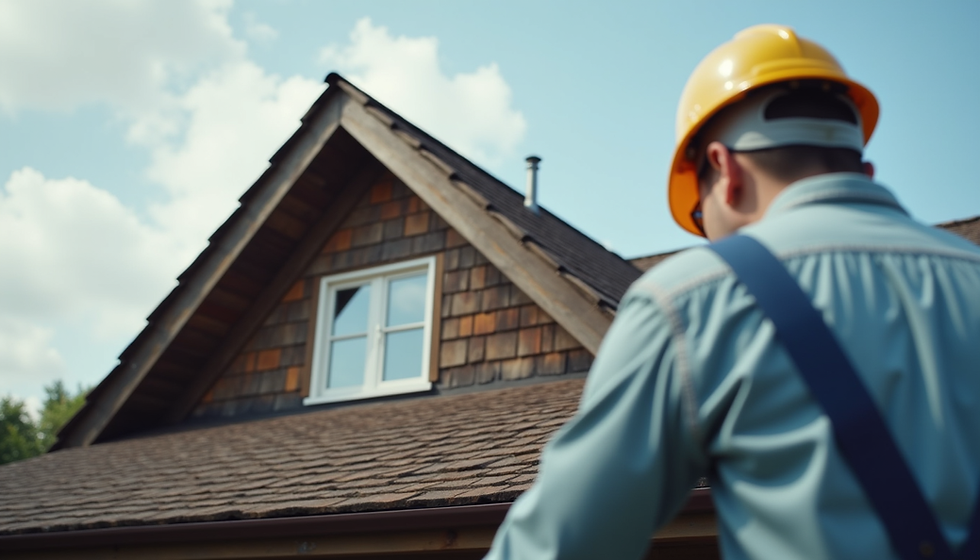
A home inspection is a detailed check of your property. The inspector looks at everything from the roof to the foundation. They check plumbing, electrical systems, heating, and cooling. The goal is to find any issues that might affect the home’s value or safety.
If you don’t prepare, the inspector might find problems that scare buyers away. Or they might ask you to fix things before the sale. That can delay the process or cost you money. But if you get ready, you can fix small issues ahead of time. You can also show the home in its best light.
Preparation shows buyers you care about your home. It builds trust. It can even help you get a better price. So, take the time to get ready. It’s worth it.

Seller Home Inspection Tips: What You Can Do Before the Inspector Arrives
Here are some simple steps you can take to prepare your home for inspection:
Fix minor repairs. Check for leaky faucets, cracked tiles, or loose doorknobs. These small fixes show you maintain the home.
Clean thoroughly. A clean home looks well cared for. Clean floors, windows, and counters. Don’t forget the garage and basement.
Clear access to key areas. Make sure the inspector can easily reach the electrical panel, furnace, water heater, and attic. Move boxes or furniture if needed.
Test smoke and carbon monoxide detectors. Replace batteries if needed. These are safety must-haves.
Check for water damage. Look under sinks and around toilets for leaks or stains. Fix any you find.
Trim trees and bushes. Overgrown plants can hide damage or block vents.
Replace burned-out light bulbs. Good lighting helps the inspector see everything clearly.
Gather documents. Have warranties, repair receipts, and manuals ready. This shows buyers you keep good records.
Taking these steps can make a big difference. It helps the inspection go faster and smoother.
What is a Deal Breaker in a Home Inspection?
Some issues are more serious than others. These can be deal breakers for buyers. Here are common deal breakers to watch out for:
Foundation problems. Cracks or shifting can be costly to fix.
Roof damage. Missing shingles or leaks can cause big headaches.
Electrical hazards. Old wiring or exposed wires are safety risks.
Plumbing leaks. Persistent leaks can lead to mold and water damage.
Mold or pest infestations. These affect health and home value.
HVAC system failure. Heating and cooling systems that don’t work well can be expensive to replace.
If you spot any of these, consider getting a professional opinion before the inspection. Fixing or addressing these issues early can save you from losing a sale.

How to Handle the Inspection Day
On the day of the inspection, keep these tips in mind:
Be flexible with timing. The inspector may need a few hours. Plan your day accordingly.
Leave the home during the inspection. This gives the inspector space to work and buyers a chance to ask questions.
Keep pets secured. This keeps everyone safe and reduces distractions.
Provide access to utilities. Make sure water, electricity, and gas are on.
Have your documents ready. Leave them in a visible spot for the inspector or agent.
Stay calm and open-minded. The inspector is there to help, not to criticize.
Remember, the inspection is part of the process. It’s normal to find some issues. How you handle them matters most.
After the Inspection: What Comes Next?
Once the inspection is done, you’ll get a report. It lists all the findings. Here’s what to do next:
Review the report carefully. Understand what the issues are.
Decide what to fix. You don’t have to fix everything. Focus on major problems and safety issues.
Get repair estimates. This helps you decide what’s reasonable to fix.
Negotiate with the buyer. You might offer to fix some items or reduce the price.
Keep communication open. Be honest and responsive to keep the sale moving.
If you want to learn more about how to prepare for a home inspection seller, this resource can guide you step-by-step.
Final Thoughts on Preparing for Your Home Inspection
Preparing for a home inspection doesn’t have to be overwhelming. With the right steps, you can make the process easier. Fix small problems, clean up, and be ready to show your home’s best side. Know what issues might be deal breakers and handle them early. On inspection day, give the inspector space and stay calm. Afterward, review the report and work with the buyer to find solutions.
By following these seller home inspection tips, you’ll feel more confident. You’ll help the sale go smoothly. And you’ll make a great impression on buyers. That’s a win for everyone.
Good luck with your home sale!


Comments