
The Role of Thermal Imaging in Home Inspections - Thermal Imaging Technology Explained
- Clinton Sommerville

- Mar 12
- 4 min read
When you’re buying or selling a home, you want to be sure everything is in good shape. That’s where home inspections come in. But did you know there’s a tool that can see things your eyes can’t? It’s called thermal imaging. This technology helps uncover hidden problems in a house. We will explain how thermal imaging works and why it’s so important in home inspections.
Thermal Imaging Technology Explained
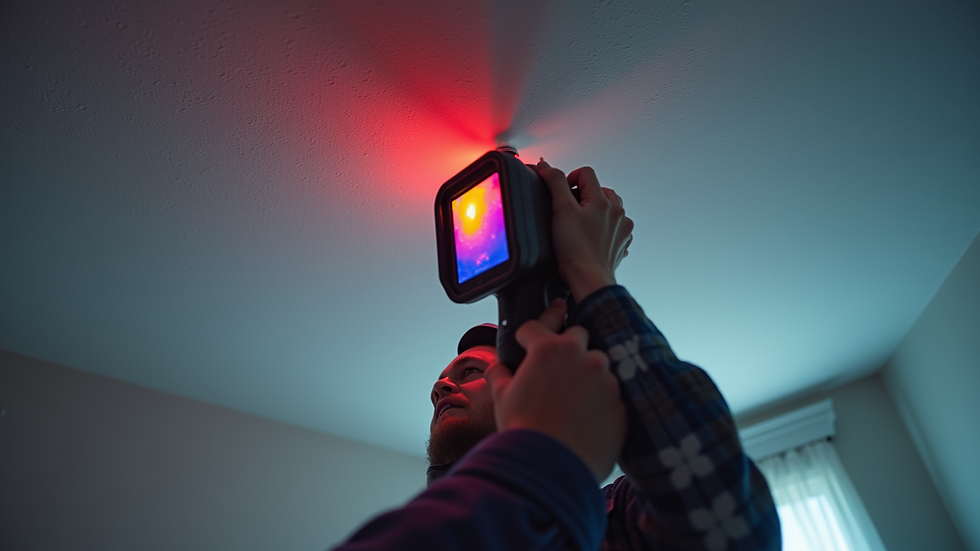
Thermal imaging uses special cameras to detect heat. These cameras don’t see light like our eyes do. Instead, they pick up infrared radiation, which is heat energy. Every object gives off some heat, even if you can’t feel it. The camera turns this heat into a picture called a thermogram. The picture shows different colors based on temperature. Hot areas might show up as red or yellow, while cooler spots appear blue or purple.
This technology is powerful because it helps reveal things hidden behind walls, ceilings, and floors. For example, it can show where heat is escaping from your home or where water might be leaking inside walls. Thermal imaging technology explained simply means using heat patterns to find problems that are invisible to the naked eye.
How Thermal Imaging Helps in Home Inspections
Thermal imaging is a game-changer for home inspections. It helps inspectors find issues quickly and accurately. Here are some ways it helps:
Detecting Insulation Problems: Poor insulation causes heat loss in winter and heat gain in summer. Thermal imaging shows where insulation is missing or damaged.
Finding Water Leaks: Water leaks inside walls or under floors can cause mold and damage. Wet areas often have different temperatures, making them visible on thermal images.
Locating Electrical Issues: Overheating electrical components can be dangerous. Thermal cameras spot hot spots in wiring or panels before they cause fires.
Checking HVAC Systems: Thermal imaging can reveal if heating and cooling systems are working properly by showing temperature differences in vents and ducts.
Using this technology means fewer surprises after you move in. It gives you peace of mind knowing the home’s condition is thoroughly checked.

What Does Thermal Imaging Show in a Home Inspection?
Thermal imaging shows temperature differences on surfaces. Here’s what you can expect to see during an inspection:
Cold Spots: These might indicate missing insulation or air leaks. For example, a cold spot near a window could mean the seal is broken.
Warm Spots: Warm areas can signal electrical problems or water leaks. Overheated wires or pipes leaking hot water will show up clearly.
Moisture Intrusion: Wet areas cool down differently than dry ones. Thermal imaging can highlight damp spots behind walls or under floors.
Structural Issues: Sometimes, thermal images reveal gaps or cracks in the building envelope that let air or moisture in.
Uneven Heating or Cooling: If your HVAC system isn’t balanced, thermal imaging will show temperature differences in rooms or vents.
These images help inspectors explain problems clearly. You get a visual report that’s easy to understand. It’s not just about finding issues but also about knowing where to fix them.
Practical Tips for Using Thermal Imaging in Your Home Inspection
If you’re planning a home inspection, here’s how to make the most of thermal imaging:
Hire a Certified Inspector: Make sure your inspector is trained in using thermal cameras. Proper use is key to accurate results.
Schedule Inspections in Cooler Weather: Thermal imaging works best when there’s a temperature difference between inside and outside. Fall or winter inspections often give clearer images.
Ask for a Detailed Report: Request a report with thermal images included. This helps you see exactly where problems are.
Use Thermal Imaging for Follow-Ups: After repairs, thermal imaging can confirm the problem is fixed.
Combine with Other Inspection Methods: Thermal imaging is powerful but works best alongside visual checks and moisture meters.
By following these tips, you’ll get a thorough inspection that uncovers hidden issues and helps you make smart decisions.
Why Thermal Imaging Matters for Your Home Investment
Buying or selling a home is a big deal. You want to avoid costly repairs and surprises. Thermal imaging adds a layer of protection. It helps you:
Save Money: Catching problems early means cheaper repairs.
Increase Safety: Spotting electrical hot spots or mold risks protects your family.
Boost Confidence: Knowing the home’s condition helps you negotiate better.
Speed Up Sales: Sellers can fix issues before listing, making the home more attractive.
Protect Your Investment: A well-maintained home holds its value longer.
At Sommerville and Son's Inspections, we use thermal imaging to give you the clearest picture of your property. It’s part of our promise to help you feel confident in your home decisions.
Taking the Next Step with Thermal Imaging
If you want a thorough inspection, consider the benefits of thermal imaging for home inspection. It’s a smart tool that uncovers hidden problems and saves you money in the long run. Whether you’re buying, selling, or just checking your home’s health, thermal imaging adds value and peace of mind.
Don’t settle for a basic inspection. Ask your inspector about thermal imaging and see the difference it makes. Your home is one of your biggest investments. Make sure you know exactly what you’re getting.
Thermal imaging is more than just a cool gadget. It’s a powerful way to protect your home and your wallet. When you understand how it works and what it shows, you can make better choices. That’s why it’s becoming a must-have in home inspections today.


Comments